Plant Growth Lifecycle Puzzle Laser Cut: A Practical Guide for Educators and Makers
The intersection of hands-on education and digital fabrication has created a new category of learning tools, with the Plant Growth Lifecycle Puzzle Laser Cut emerging as a standout option. This resource represents more than just a pattern file; it is a bridge between botanical science and tactile engagement. For adults aged 20 to 50 who are evaluating educational resources, woodworking projects, or Montessori-inspired materials, understanding the nuances of this specific product is essential. Whether you are a teacher seeking durable classroom aids, a parent looking for STEM activities, or a hobbyist exploring CNC routing capabilities, this guide explores what makes this design distinct, how it compares to alternatives, and when it fits best into your workflow.
Defining the Plant Growth Lifecycle Puzzle Laser Cut Experience
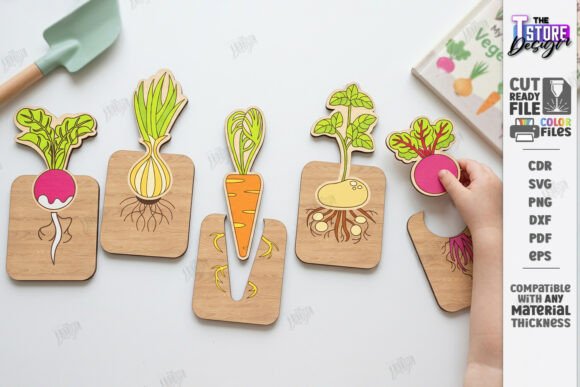
At its core, the Plant Growth Lifecycle Puzzle Laser Cut is a digital design package intended for use with laser cutting machines or CNC routers. Unlike pre-made plastic puzzles found in retail stores, this format provides the raw vector files—typically including SVG, EPS, DXF, PNG, and PDF formats—that allow users to fabricate the physical object themselves. The design usually features sequential stages of plant development, such as seed germination, root formation, vegetative growth, flowering, and fruiting, often illustrated with specific examples like sunflowers, pumpkins, or tomatoes.
What distinguishes this approach is the materiality and customization potential. When cut from wood, the puzzle offers a natural texture and weight that plastic cannot replicate, aligning closely with Montessori principles that favor real-world materials. The "laser cut" aspect ensures precision in the interlocking pieces, allowing for a snug fit that challenges fine motor skills without being frustratingly difficult. Furthermore, the inclusion of engraving lines (often marked as black in the source files) allows for text labels or detailed textures to be burned directly onto the surface, enhancing the educational value by connecting visual cues with scientific terminology.
Technical Specifications and File Compatibility
For those considering the technical side of production, the file structure is critical. Most high-quality Plant Growth Lifecycle Puzzle Laser Cut templates follow a standard color-coding protocol: red lines indicate where the machine should cut through the material, while black lines designate areas for engraving. This separation streamlines the workflow in software like LightBurn, RDWorks, or Adobe Illustrator. However, compatibility is not universal. Users must ensure their specific laser cutter or CNC router can interpret the provided vector formats. While SVG and DXF are widely supported, some older systems may require conversion. The inclusion of a PNG preview helps visualize the final layout before committing to material costs, but the vector files remain the primary asset for manufacturing.
Comparing Digital Templates to Pre-Made Educational Toys
When evaluating options for teaching biology or gardening concepts, the decision often lies between purchasing a finished product or creating one using a Plant Growth Lifecycle Puzzle Laser Cut template. Each path offers different advantages depending on the user's goals, budget, and available time.
Pre-made Commercial Puzzles: These are immediately usable upon purchase. They are typically made of molded plastic or pressed cardboard. The primary benefit is convenience; there is no setup time, no equipment required, and the quality control is handled by the manufacturer. However, they often lack durability over long-term classroom use and offer zero customization. If a child loses a piece, the entire set becomes unusable unless a spare is purchased separately.
Laser Cut Wooden Puzzles: Using a Plant Growth Lifecycle Puzzle Laser Cut file shifts the burden of creation to the buyer but yields superior results in terms of longevity and sensory experience. Wood is significantly more durable than cardboard and less brittle than cheap plastic. It withstands repeated handling, washing, and rough play better than most alternatives. Additionally, the ability to customize the size means an educator can scale the puzzle up for a large group activity or down for individual toddler exploration. The tradeoff is the initial investment in machinery or outsourcing the cutting process, which requires a higher level of technical proficiency or logistical planning.
Educational Value and Pedagogical Approaches
The effectiveness of any learning tool depends on how well it aligns with pedagogical goals. The Plant Growth Lifecycle Puzzle Laser Cut is particularly strong in supporting inquiry-based learning and Montessori methodologies. By physically manipulating the stages of a plant's life—from roots to vegetables or flowers—children construct a mental model of biological progression that static images in a book cannot provide.
In a traditional classroom setting, teachers might use flashcards or worksheets. While these are cost-effective, they are passive. A wooden puzzle introduces kinesthetic learning. Students must feel the shape of the root system, match the stem to the leaf cluster, and sequence the timeline of growth. This tactile feedback reinforces memory retention. Furthermore, the natural aesthetic of wood creates a calming environment, reducing the overstimulation often associated with brightly colored plastic toys.
However, it is important to recognize limitations. A puzzle is a representation, not a living organism. It cannot replace the experience of actually planting seeds and observing them grow over weeks. Therefore, the Plant Growth Lifecycle Puzzle Laser Cut serves best as a supplementary tool—a way to review and solidify concepts after observation, rather than the sole method of instruction. It bridges the gap between abstract theory and concrete reality, making complex biological processes accessible to young minds.
Decision Factors: Is This the Right Choice for You?
Determining whether to invest time and resources into a Plant Growth Lifecycle Puzzle Laser Cut project requires a realistic assessment of your situation. Several factors should influence your decision-making process.
- Access to Equipment: Do you own a laser cutter or CNC router? If yes, the marginal cost per unit is extremely low, making this an excellent choice for creating multiple sets. If you do not own equipment, you must factor in the cost of having a local maker space or online service cut the files for you. In this scenario, the total cost may exceed that of buying a commercial toy, though the quality will likely be higher.
- Customization Needs: Are you looking for a generic puzzle, or do you need specific adaptations? Perhaps you want to label the parts in a second language, include Braille engravings, or adjust the difficulty level for a specific age group. The digital nature of the Plant Growth Lifecycle Puzzle Laser Cut files allows for these modifications, whereas pre-made products are fixed.
- Material Sensitivity: Some environments prefer natural materials for health or aesthetic reasons. If you are avoiding plastics due to environmental concerns or allergies, wood is a superior alternative. The laser-cutting process also produces clean edges that are safe for children, provided the wood is sanded and finished appropriately.
- Time Availability: Creating these puzzles takes time. Even with a fast laser cutter, you must load the material, run the job, remove debris, sand edges, and potentially apply a finish. If you need a solution today, this route is not feasible. It is a medium-to-long-term project suitable for planned curriculum development or weekend crafting sessions.
Alternatives and Complementary Resources
While the Plant Growth Lifecycle Puzzle Laser Cut is versatile, it is not the only tool available for teaching botany. Other formats include printable paper templates, 3D printed models, and interactive digital apps. Paper puzzles are the most accessible and cheapest but lack durability. 3D printing offers similar customization to laser cutting but often results in a smoother, less organic texture that may not appeal to Montessori practitioners who value natural fibers. Digital apps provide dynamic animations of growth but rely on screen time, which many educators aim to limit.
The most effective approach often involves a hybrid strategy. Use the wooden puzzle for hands-on sequencing and matching activities, complemented by actual gardening projects where students watch real plants grow. The Plant Growth Lifecycle Puzzle Laser Cut acts as the anchor—a permanent reference point that remains consistent even as the seasons change and real plants die back.
Practical Implementation Tips
For those proceeding with the digital download, preparation is key. Ensure your software settings match the material thickness you intend to use, typically birch plywood or basswood. Test cuts on scrap material are crucial to verify that the red cut lines penetrate fully and the black engrave lines are visible but not too deep. Remember that the digital archive includes various file types; choose the one that matches your workflow. SVG is generally preferred for vector editing, while DXF is often used for direct machine communication. If you require a specific file format not listed, such as AI or STP, contacting the seller for conversion is a viable step before purchasing.
Ultimately, the choice to use a Plant Growth Lifecycle Puzzle Laser Cut design is a commitment to quality, sustainability, and active learning. It demands more effort upfront than buying a box off the shelf, but the resulting product offers a depth of engagement and longevity that mass-produced items struggle to match. By weighing the technical requirements against the educational benefits, you can determine if this digital resource aligns with your specific needs for teaching the wonders of nature.