Laser Cut Stand for Advertising Booklets: A Practical Tool for Organization and Presentation
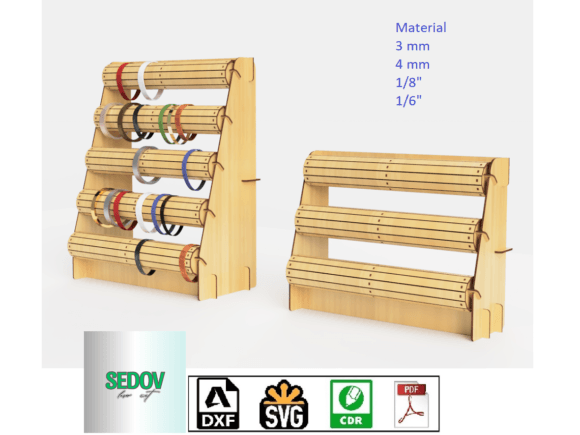
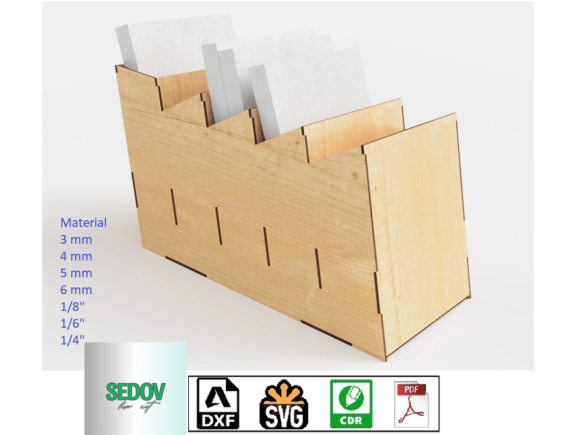
The Laser Cut Stand for Advertising Booklets is more than just a desktop accessory—it's a functional solution for organizing, displaying, and managing printed materials in a variety of environments. Whether you're a small business owner, a marketing professional, or a creative looking to streamline your workspace, this stand offers a customizable and efficient way to present brochures, catalogs, and other promotional materials. Designed for compatibility with common laser cutting machines, it bridges the gap between digital design and physical utility.
How It Fits Into Your Workflow
From the initial planning stages to the final presentation, the Laser Cut Stand can play a supporting role in multiple phases of a project. Before launching a marketing campaign, you might use the stand to organize and review different brochure versions. During client meetings or trade shows, it serves as a clean, professional way to display materials. Even after a campaign concludes, it can help archive printed pieces for future reference.
For educators or trainers, the stand becomes a way to manage handouts and course materials. Bloggers and content creators may find it useful for arranging print samples of their work or promotional collateral. Its adaptability makes it a valuable addition to any routine that involves physical documents or promotional items.
Integration with Tools and Platforms
This stand is designed to work seamlessly with laser cutting machines using materials such as 3mm, 4mm, 5mm, and 6mm acrylic or wood, as well as imperial equivalents like 1/4", 1/6", and 1/8". The included templates in SVG, DXF, CDR, and PDF formats ensure compatibility with most design software and laser cutting platforms.
- Design software like Adobe Illustrator, CorelDRAW, and Inkscape can be used to modify or scale the template before cutting.
- Project management tools can incorporate the stand as part of a checklist for preparing marketing materials or event displays.
- Collaboration platforms like Trello or Notion can track when the stand is used in a workflow, ensuring it’s included in design and production timelines.
Its integration with digital tools makes it easy to plan and execute designs quickly, especially for those already using laser cutting in their production process.
Practical Implementation Tips
To get the most out of your Laser Cut Stand for Advertising Booklets, consider these practical tips:
- Material selection affects both durability and aesthetics. Acrylic offers a clean, modern look, while wood gives a warmer, natural feel. Choose based on the environment where the stand will be used.
- Batch production can save time if you need multiple stands for events or retail locations. Since the template is compatible with laser cutting, you can cut several at once with minimal effort.
- Labeling or branding the stand can enhance its function. Consider engraving your company name or logo for a professional touch that also reinforces brand identity.
- Spacing and layout should be tested with your specific materials. Thicker brochures or catalogs may require slight adjustments to slot dimensions to ensure they fit securely.
Usability and Long-Term Value
One of the key advantages of the Laser Cut Stand is its usability. It's intuitive—no assembly required, and it can be placed directly on a counter, desk, or display table. Its design supports upright positioning of booklets, making them easy to flip through and access. This is especially useful in high-traffic areas like retail stores, office lobbies, or event booths.
From a long-term perspective, the stand is durable and reusable. Unlike disposable displays or temporary setups, it can be used across multiple campaigns or projects. With proper care, especially when made from quality materials, it remains a reliable part of your toolkit for years.
Workflow Examples
Here are a few real-world scenarios where the Laser Cut Stand for Advertising Booklets can be integrated effectively:
- Marketing agency workflow: After finalizing a client’s brochure design, the team uses the Laser Cut Stand to create a physical sample display for the client presentation. Once approved, they produce additional stands for use in the client’s retail locations.
- Freelance designer’s routine: A graphic designer uses the stand to organize their portfolio pieces, printed samples, and client contracts. They also offer the stand as an optional add-on for clients who want a physical display option for their printed work.
- Small business setup: A boutique owner prints promotional flyers and uses the stand to display them at the checkout counter. As new promotions come in, the stand is easily updated without needing to reorder new displays.
Factors to Consider for Smooth Integration
Successfully incorporating the Laser Cut Stand into your workflow requires attention to a few key factors:
- Preparation: Ensure your laser machine is calibrated and your material is properly secured before cutting. This helps maintain the precision of the slots and overall structure.
- Compatibility: Check that your chosen material thickness matches the template specifications. Using the wrong thickness can lead to loose or tight slots that don’t hold items securely.
- Organization: Plan how many slots you’ll need and how you’ll arrange materials. A well-organized stand improves user experience and visual appeal.
- Efficiency: Since the template is reusable, create a standard cutting file that can be quickly accessed for future projects, reducing setup time.
- Quality control: After cutting, inspect the stand for any burrs or imperfections. A clean finish not only looks better but also ensures smooth insertion and removal of booklets.
Conclusion
The Laser Cut Stand for Advertising Booklets is a versatile, durable, and efficient tool that supports both creative and professional workflows. Whether used in marketing, education, or personal organization, it provides a clean, functional way to display and manage printed materials. By integrating it into your existing processes, you can enhance presentation quality, streamline document handling, and add a custom touch to your workspace or client deliverables.