Montessori Alphabet Peg Board Laser Cut: A Practical Guide for Creators and Educators
The integration of digital design files into physical educational resources represents a significant shift in how educators, parents, and small business owners approach literacy tools. The Montessori Alphabet Peg Board Laser Cut serves as a prime example of this evolution, bridging the gap between digital planning and tangible classroom assets. For professionals managing preschool curriculums or entrepreneurs running craft-based businesses, understanding the workflow surrounding this specific asset is essential for maximizing its utility and ensuring high-quality outcomes.
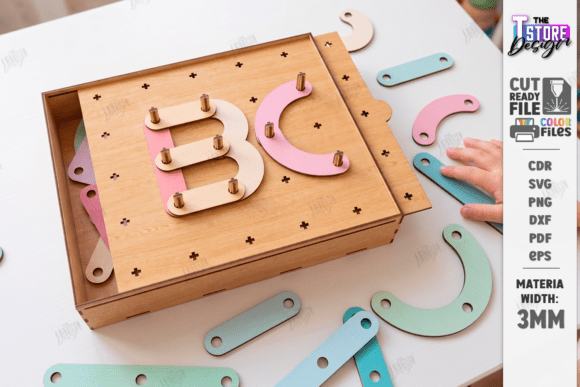
This digital product is not merely a graphic; it is a functional blueprint designed for precision manufacturing. It facilitates the creation of a Wooden Montessori Alphabet Peg Board that supports ABC learning, letter tracing, and spelling activities. Whether you are equipping a kindergarten classroom, creating inventory for an Etsy shop, or crafting a personalized gift for a toddler, the process begins with a clear understanding of the file structure and the machinery required to execute the cut.
Understanding the Digital Asset Structure
Before any physical production can begin, the digital workflow must be established. The Montessori Alphabet Peg Board Laser Cut package typically arrives as a zip archive containing multiple file formats: SVG, EPS, PNG, PDF, and DXF. Each format serves a distinct purpose within the broader implementation process.
- SVG and DXF: These are vector formats essential for laser cutting machines. They define the geometry of the board, ensuring that lines remain crisp regardless of scaling. The SVG file is often preferred for modern software compatibility, while DXF remains a standard for older industrial systems.
- EPS: An encapsulated postscript file useful for professional design software like Adobe Illustrator, allowing for further customization before sending to the cutter.
- PNG: A raster image suitable for print previews, marketing materials, or visualizing the final product without engaging the cutting machine.
- PDF: Often used for documentation, assembly instructions, or as a backup vector source depending on the software suite.
Efficiency in this stage depends on verifying software compatibility immediately upon download. If your cutting machine requires a specific vector format, having the wrong file type can halt the entire production line. The inclusion of multiple formats in the archive is a strategic decision by the creator to ensure broad usability across different hardware ecosystems.
Machine Compatibility and Material Selection
The transition from digital file to physical object relies heavily on the interaction between the software, the laser cutter, and the raw material. The Montessori Letter Tracing Board Glowforge Ready Cut File is explicitly optimized for 3mm and 4mm plywood. This thickness specification is critical for structural integrity; thinner wood may warp during the peg insertion phase, while thicker wood might require excessive power settings that compromise edge quality.
When preparing the machine, attention must be paid to the color-coded instructions embedded in the vector file. The standard protocol dictates that the RED line – CUT and the BLACK line – ENGRAVE. This distinction is vital for the functionality of the toy. The red lines define the perimeter of the board and the slots for the pegs, requiring full depth cuts. The black lines represent the letter guides and surface details, which need only to be etched deeply enough to provide tactile feedback for tracing fingers but not so deep as to weaken the board.
For those using Glowforge or similar CO2 laser systems, testing these parameters on a scrap piece of the same plywood batch is a non-negotiable step in the quality control process. Variations in wood density and moisture content can alter burn times. Establishing a consistent test routine ensures that every unit produced meets the safety and durability standards expected in educational environments.
Integration into Educational Workflows
Once the physical boards are manufactured, their application extends beyond simple play. In a professional educational setting, the Wooden Montessori Alphabet Peg Board Laser Cut ABC Learning Game fits into a structured language development curriculum. It acts as a transitional tool between sensory exploration and formal writing.
Teachers and homeschoolers utilize this resource to reinforce fine motor skills alongside letter recognition. The process involves children inserting wooden pegs into the pre-cut slots, aligning them with the engraved letters. This activity engages the hand muscles necessary for holding a pencil later in life. The tactile nature of the laser-engraved grooves provides immediate sensory feedback, correcting grip and stroke direction without the need for constant adult intervention.
In a business context, such as a DIY kit manufacturer or a classroom supply store, this item functions as a high-value SKU. The ability to produce these items on-demand allows small business owners to maintain low inventory costs while offering customization. Entrepreneurs can modify the design slightly—perhaps adding a child's name or a specific color scheme—to create unique gifts, thereby increasing the perceived value of the product.
Strategic Implementation Tips
To maximize the effectiveness of this tool, consider the following implementation strategies:
- Pre-Production Planning: Before purchasing bulk plywood, calculate the nesting efficiency of the SVG file. Proper nesting minimizes waste and reduces material costs, directly impacting profit margins for resellers.
- Assembly Workflow: Develop a streamlined assembly line if producing multiple units. Sanding the edges after cutting should be a dedicated step to prevent splinters, a critical safety requirement for toddlers.
- Customization Options: Leverage the editable nature of the vector files. If a client requests a different font size or layout, the EPS or SVG file allows for rapid adjustments without needing to contact the original designer for a new file.
- Digital Support: Maintain open communication channels with the file provider. The prompt notes that users can request other file types or PNG sizes. Proactively asking for these variations before starting a large project prevents bottlenecks.
Long-Term Usability and Maintenance
The longevity of the Montessori Alphabet Peg Board Laser Cut depends on both the quality of the initial cut and the maintenance performed over time. Plywood, when properly sealed with a non-toxic finish, offers excellent durability for classroom use. However, the engraved areas can accumulate dust and debris from repeated tracing.
Regular cleaning protocols should be established. Using a soft brush to remove sawdust from the engraved lines ensures that the tactile experience remains consistent. For business owners selling these as finished goods, including a care card with the product demonstrates professionalism and enhances the customer experience. It signals that the seller understands the lifecycle of the product, not just the moment of sale.
Furthermore, the modularity of the design allows for expansion. As a child masters the alphabet, the board can be repurposed for word building or phonics exercises. This adaptability increases the return on investment for parents and educators, making the tool a staple in the literacy toolkit rather than a temporary novelty.
Optimizing the Purchase and Production Cycle
Deciding to integrate the Montessori Letter Tracing Board Glowforge Ready Cut File into your workflow requires a calculated approach. Evaluate your current capabilities: Do you have access to a laser cutter? Is your software compatible with SVG and DXF files? If the answer is no, the purchase of the digital file alone is insufficient. You must factor in the cost of equipment or outsourcing the cutting service.
For freelancers and hobbyists looking to monetize their skills, this digital asset offers a low-barrier entry point into the educational toy market. The "DIY Kids Language Tool" aspect appeals to the growing market of parents seeking hands-on, screen-free activities. By focusing on the quality of the final cut and the safety of the materials, creators can build a reputation for reliability.
Communication with the file creator is also part of the workflow. If specific requirements arise—such as a need for a larger PNG for a website banner or a different vector format for a specialized cutter—the provided contact information should be utilized promptly. This proactive engagement ensures that the digital asset perfectly matches the physical constraints of the production environment.
Ultimately, the Montessori Alphabet Peg Board Laser Cut is more than a design file; it is a component of a larger system involving planning, execution, and education. By respecting the technical specifications, understanding the material properties, and integrating the tool thoughtfully into learning or business processes, users can achieve consistent, high-quality results that serve both children and professionals effectively.