Cross Stitch Bee Montessori Lacing CNC: A Creative and Educational Laser Cutting Project
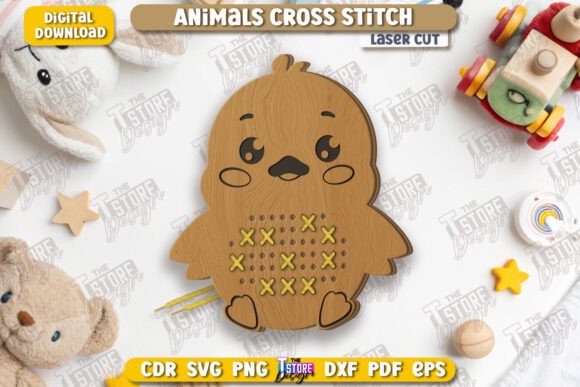
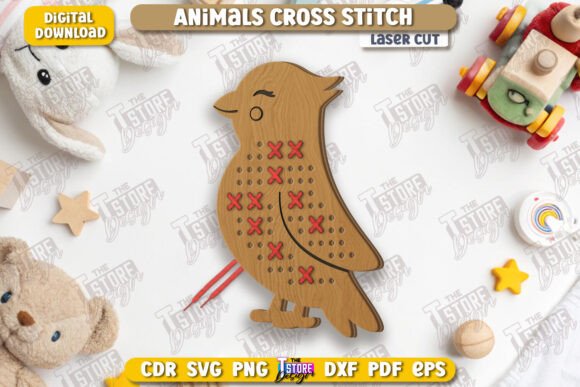
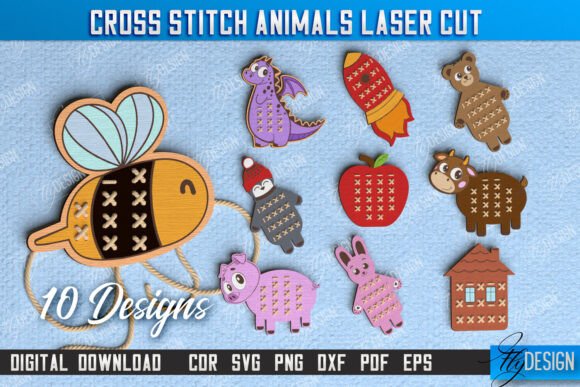
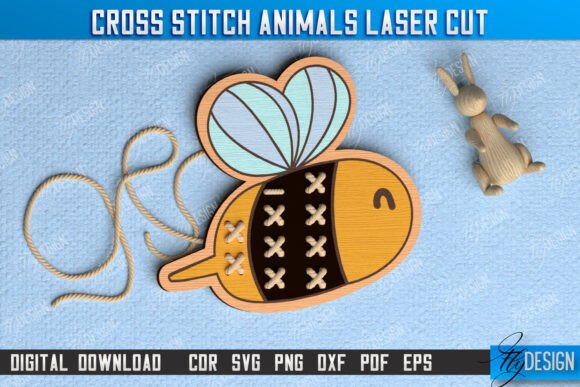
The Cross Stitch Bee Montessori Lacing CNC is a digital design file crafted for laser cutting machines, offering a unique blend of creativity, education, and craftsmanship. This product is ideal for makers, educators, and parents who want to create engaging, hands-on learning tools for children. The design includes a bee-themed cross-stitch lacing toy, rooted in Montessori principles that emphasize fine motor development, hand-eye coordination, and concentration.
What Makes Cross Stitch Bee Montessori Lacing CNC Unique?
Unlike standard toys or generic laser cut projects, the Cross Stitch Bee Montessori Lacing CNC is designed with purpose. It encourages children to engage in a tactile, problem-solving activity that mimics real-life stitching—without the use of needles or thread. The laser-cut wooden pieces allow for safe, durable play and repetition, which is essential for early childhood development.
The digital package includes multiple file formats—SVG, EPS, PNG, PDF, and DXF—ensuring compatibility with various laser cutting software. For users of Lightburn, the DXF format is recommended to maintain dimensional accuracy and avoid distortion, especially when working with intricate designs like the bee lacing toy.
Challenges and Needs in Early Childhood Education
Parents and educators often face the challenge of finding age-appropriate, screen-free activities that support developmental milestones. Many traditional toys focus on passive entertainment rather than active engagement. Additionally, sourcing educational materials that are both durable and customizable can be difficult and expensive.
Montessori educators, in particular, seek tools that allow children to explore concepts independently while building essential life skills. This is where the Cross Stitch Bee Montessori Lacing CNC shines—it bridges the gap between creativity and learning, offering a customizable solution that can be adapted to different age groups and learning environments.
How Cross Stitch Bee Montessori Lacing CNC Supports Learning
At its core, this laser-cut lacing toy supports the development of several key skills:
- Fine motor skills – Lacing through precisely cut holes helps children strengthen hand muscles and improve dexterity.
- Hand-eye coordination – Threading the lace through patterns requires visual tracking and physical control.
- Concentration and focus – Completing a lacing pattern encourages sustained attention and patience.
- Independence – The self-directed nature of Montessori activities empowers children to work at their own pace.
By using the Cross Stitch Bee Montessori Lacing CNC, makers can create a reusable, tactile learning aid that supports these developmental goals while also introducing children to basic concepts like patterns, colors, and shapes.
Practical Applications for Makers and Educators
For laser cutting enthusiasts, this file opens up a world of possibilities. Whether you're a hobbyist looking to create thoughtful gifts or a small business owner crafting educational toys, the Cross Stitch Bee Montessori Lacing CNC can be a valuable addition to your project library.
Here are a few ways users can apply this design:
- Classroom resources – Teachers can produce multiple lacing boards for use in Montessori or early childhood classrooms, providing a hands-on activity that aligns with curriculum goals.
- Customized gifts – Add a personal touch by engraving a child’s name or changing the design to match a favorite animal or theme.
- Therapeutic tools – Occupational therapists may find these lacing toys useful for children with developmental delays or sensory processing needs.
- DIY toy kits – Sell or share the files as part of a kit that includes wood, laces, and instructions, encouraging others to create their own educational toys.
Design Considerations and Customization Tips
One of the major benefits of the Cross Stitch Bee Montessori Lacing CNC is its adaptability. Users can easily scale the design, change the theme (such as using the Cross Stitch Animals Montessori Lacing Developing Game), or add additional layers of engraving for visual appeal. However, customization requires attention to detail, especially when working with laser cutting software.
Here are some practical tips for best results:
- Use the correct file format – For Lightburn users, DXF files are recommended to prevent distortion and ensure accurate dimensions.
- Test on scrap material – Before cutting your final piece, test settings on scrap wood to confirm laser power and speed are optimal.
- Choose the right material – 3mm or 4mm plywood or MDF works well for durability and ease of cutting.
- Consider color and finish – Lightly sand and finish the pieces for a polished look, or use colored wood for added visual appeal.
Who Can Benefit from This Design?
The Cross Stitch Bee Montessori Lacing CNC appeals to a variety of users, each with different goals and approaches:
- Home crafters – Looking for meaningful weekend projects that result in useful, educational items for their children.
- Small business owners – Interested in selling Montessori-inspired toys or creating custom educational kits.
- Teachers and homeschoolers – Seeking tactile learning tools that align with Montessori methods and support curriculum objectives.
- Occupational therapists – Who need durable, engaging tools to help children develop fine motor skills.
Each of these groups can approach the design differently—whether scaling it for different age groups, adapting the theme, or combining it with other laser-cut educational tools like the Cross Stitch Animals Montessori Lacing Developing Game.
Final Thoughts and Recommendations
The Cross Stitch Bee Montessori Lacing CNC is more than just a laser cutting file—it’s a gateway to creating meaningful, educational experiences. Whether you're a maker, educator, or parent, this design offers a versatile, scalable solution for developing fine motor skills and encouraging independent play.
If you're working with Lightburn and experience any issues with file distortion, remember to use the DXF format for best results. And if you need alternative file types, different sizes, or additional design variations, don’t hesitate to reach out to the seller for support.
By incorporating this digital design into your laser cutting projects, you’re not only creating a toy—you’re crafting a learning opportunity that aligns with Montessori values and supports early childhood development in a fun, engaging way.