Unlocking Creativity with the Laser File - Dress Up Puzzle - Carter
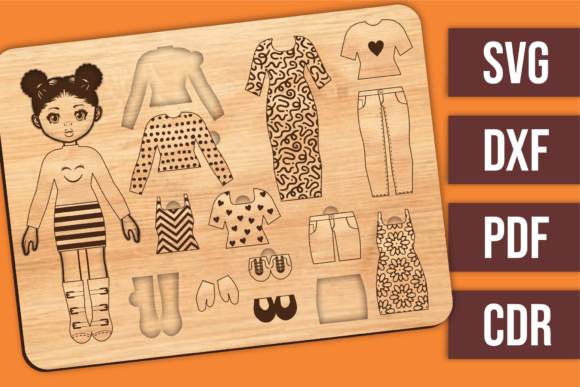
In the evolving landscape of digital fabrication and hands-on learning, the intersection of design software and physical crafting has created new opportunities for engagement. One standout example in this domain is the Laser File - Dress Up Puzzle - Carter. This digital asset represents more than just a vector drawing; it serves as a blueprint for tactile interaction, educational development, and personalized gift-giving. Whether you are a professional maker, an educator seeking interactive tools, or a parent looking for screen-free entertainment, understanding the mechanics and potential of this specific laser cut file can significantly enhance your creative projects.
The Versatility of Scalable Vector Graphics in Crafting
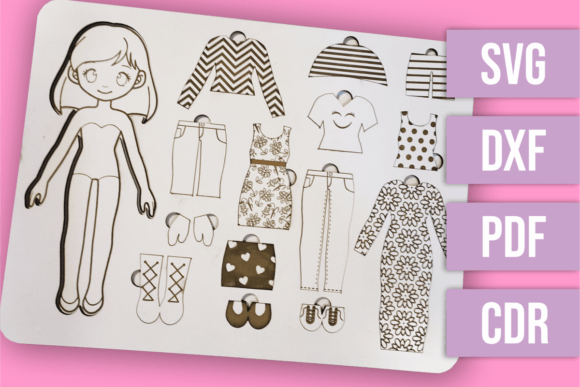
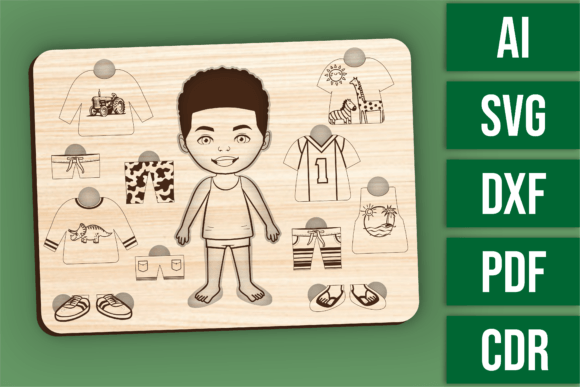
The foundation of any successful laser cutting project lies in the quality and flexibility of the source file. The Laser Cut file - Dress up game for boys, specifically the Carter design, is engineered to be highly adaptable. Unlike raster images that lose resolution when resized, vector-based files such as DXF, AI, SVG, and CDR maintain crisp edges regardless of scale. This characteristic allows users to adjust the dimensions to fit specific material constraints or project requirements without compromising the integrity of the puzzle pieces.
While the design is optimized for a final size of 300x400mm, the inherent scalability means it can be reduced for smaller tabletop games or expanded for large-scale wall art. For business owners operating laser cutting services, this flexibility is crucial. It enables the same digital asset to serve multiple market segments, from small personal gifts to large decorative installations. The ability to scale ensures that the investment in the digital file yields maximum return across various production runs.
Material Thickness and Cutting Considerations
One of the most significant advantages of the Carter dress-up puzzle design is its compatibility with a wide range of material thicknesses. The file structure accounts for standard kerf widths found in most CO2 and diode laser cutters. Whether working with thin cardstock, 3mm plywood, 6mm MDF, or even acrylic, the geometry of the puzzle pieces remains functional. However, achieving the best results often requires a nuanced understanding of how different materials behave under the laser beam.
When cutting plain wood, which is the recommended substrate for the painting activity variant, users should consider the grain direction. Cutting against the grain can sometimes result in rougher edges on the puzzle tabs, potentially affecting the smoothness of the assembly. Conversely, cutting with the grain produces cleaner lines. The 2-layer file format provided in the download simplifies this process by separating the main character silhouette from the clothing accessories, allowing for precise nesting on the material bed to minimize waste.
Educational Applications and Skill Development
Beyond simple recreation, the Laser File - Dress Up Puzzle - Carter offers profound educational value. In classroom settings or home schooling environments, this type of open-ended toy fosters fine motor skills, color recognition, and narrative creativity. The act of physically manipulating the wooden pieces helps children develop hand-eye coordination, a skill that is increasingly rare in a digital-first generation.
For educators, the "paint-it-yourself" aspect transforms the activity into a multi-stage lesson plan. The first stage involves the construction or preparation of the materials, where students can learn about the properties of wood and the safety protocols of laser cutting if they are involved in the fabrication process. The second stage is the artistic application, where learners choose color palettes and apply paint. This encourages decision-making and aesthetic judgment. Finally, the play stage allows for storytelling, where the character "Carter" can be dressed for various scenarios, promoting language development and imaginative play.
Integrating Art and Technology
This project also serves as an excellent bridge between traditional arts and modern technology. Students can observe how a digital file translates into a physical object, demystifying the manufacturing process. By using the included SVG or DXF files, older students can experiment with modifying the design in software like Adobe Illustrator or Inkscape before cutting. They might add their own patterns to the clothing pieces or alter the background elements, thereby engaging with the core principles of computer-aided design (CAD) and vector graphics.
The collaborative nature of the project further enhances its educational utility. Groups of students can work together, with some responsible for the laser cutting setup, others for sanding and finishing the wood, and the rest for the painting and assembly. This division of labor mirrors real-world engineering and design workflows, teaching teamwork and project management skills alongside technical knowledge.
Customization Strategies for Personalized Gifting
The demand for personalized gifts continues to grow, driven by consumers who value uniqueness over mass-produced items. The Laser Cut file - Dress up game for boys fits perfectly into this trend. Because the base material is plain wood, the recipient becomes a co-creator in the final product. This added layer of personal involvement makes the gift more meaningful and memorable.
Parents and grandparents can purchase the raw cut pieces and present them along with a set of non-toxic paints and brushes. This approach not only reduces the initial cost of the gift but also extends the engagement time. Instead of opening a box and immediately playing, the recipient spends time customizing their toy, creating a sense of ownership and pride. The finished product is unique to that individual, reflecting their personal style and preferences.
Designing for Specific Themes
The modular nature of the Carter puzzle allows for thematic customization. While the default design features standard clothing options, the separate layers make it easy to swap out pieces for specific interests. For instance, if the child loves space exploration, the clothing layers could be painted to resemble astronaut suits and helmets. If they prefer sports, the accessories could be transformed into jerseys and equipment. This adaptability ensures that the puzzle remains relevant and exciting as the child's interests evolve.
Furthermore, the inclusion of multiple file formats (DXF, AI, SVG, CDR) ensures that designers can easily integrate additional elements. A creator might wish to add a nameplate to the base or incorporate specific logos into the background scene. The clean vector paths facilitate these modifications without requiring complex redrawing, making it accessible for hobbyists with intermediate design skills.
Workflow Optimization for Makers and Businesses
For professionals running a laser cutting business or a craft studio, efficiency is paramount. The Laser File - Dress Up Puzzle - Carter is structured to streamline the production workflow. The 2-layer organization allows for rapid nesting within cutting software. By grouping all identical parts together, operators can maximize material usage and reduce cutting time. This is particularly important when scaling production for events, workshops, or retail inventory.
The optimal size of 300x400mm is designed to fit comfortably on standard 12x24 inch or similar sized beds common in many commercial and prosumer laser machines. This standardization reduces the need for complex bed adjustments or material repositioning during the cut cycle. Additionally, the clear separation of layers minimizes the risk of errors during the setup phase, ensuring consistent output quality batch after batch.
Sourcing Materials and Finishing Techniques
While the file works with various materials, selecting the right wood species can elevate the final product. Birch plywood is often the preferred choice due to its smooth surface and light color, which provides an excellent canvas for painting. Maple or basswood are also viable alternatives, offering different textures and densities. When sourcing materials, it is essential to ensure the wood is free of knots and voids that could interfere with the laser cut or the painting process.
Post-processing plays a critical role in the longevity and appeal of the puzzle. After cutting, the pieces should be lightly sanded to remove any char marks left by the laser. A quick wipe-down with a damp cloth can help remove dust before painting. Using water-based acrylics is recommended for ease of use and quick drying times. Once dry, a clear sealant can be applied to protect the artwork and allow the pieces to slide smoothly against one another during play.
Trends in Interactive Wooden Toys
The resurgence of wooden toys reflects a broader cultural shift towards sustainability and durability. Parents and educators are increasingly seeking alternatives to plastic, favoring materials that are biodegradable, non-toxic, and built to last. The Laser File - Dress Up Puzzle - Carter aligns perfectly with this trend, offering a robust, eco-friendly alternative to disposable electronic games.
Moreover, the "maker movement" continues to influence consumer behavior. People are drawn to products that tell a story of creation, from the digital design to the physical assembly. The transparency of the process—knowing exactly what file was used and how it was cut—adds value to the product. This authenticity resonates with a demographic that values craftsmanship and ethical production methods.
As the market for digital fabrication assets expands, designs like the Carter dress-up puzzle will likely see increased adoption across diverse sectors. From DIY enthusiasts creating gifts at home to large-scale manufacturers producing educational kits, the versatility of this file ensures its relevance. By combining the precision of laser technology with the warmth of natural wood and the joy of creative expression, this project exemplifies the best of modern crafting.
Future Possibilities and Iterations
Looking ahead, the potential for iteration on this design is vast. Future versions could include interchangeable bases for different backgrounds, such as a beach, a city street, or a fantasy landscape. Digital integration could also be explored, where scanning a QR code on the base unlocks digital coloring pages or augmented reality experiences that bring the character to life on a tablet. However, the core appeal remains the tactile, offline experience that the physical puzzle provides.
Ultimately, the Laser File - Dress Up Puzzle - Carter is more than a collection of vector paths. It is a tool for connection, learning, and creativity. Whether used to teach a child about colors, to engage a community in a workshop, or to create a cherished family heirloom, its impact extends far beyond the cutting bed. By leveraging the full potential of the included file formats and understanding the nuances of material selection and finishing, creators can unlock endless possibilities with this versatile design.