Transforming Traditional Play: The Kids Easter Game Domino Laser Cut Experience
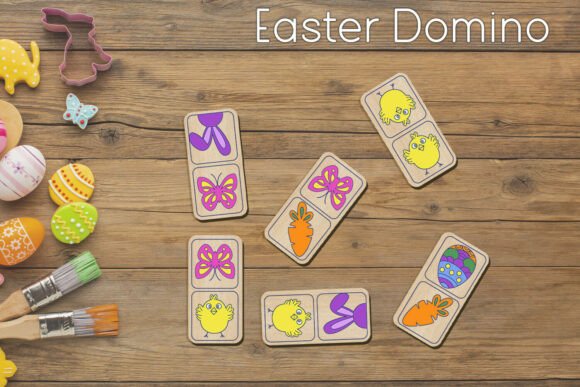
The intersection of traditional board games and modern digital fabrication has created a unique niche for creative families, educators, and small business owners. Among the most compelling examples of this trend is the Kids Easter Game Domino Laser Cut design. This concept reimagines the classic domino game by replacing standard black-and-white tiles with vibrant, thematic cards featuring Easter symbols such as decorated eggs, fluffy bunnies, and cheerful chicks. Unlike mass-produced plastic or wooden sets found in retail stores, these designs offer a level of customization and tactile engagement that resonates deeply with users seeking meaningful, hands-on activities.
At its core, this project represents more than just a seasonal activity; it is a gateway into understanding how digital files translate into physical playthings. The specifications are precise, designed to ensure compatibility with a wide array of cutting technologies. Each tile is sized at 70x35 mm, a dimension carefully calculated to be large enough for small hands to manipulate comfortably while remaining compact enough to fit within standard crafting mats. The design utilizes a specific color-coded system for manufacturing: red lines indicate where the material should be cut, while blue lines designate areas for engraving or scoring. This clear distinction allows for efficient production, whether the creator is using high-end industrial equipment or a desktop hobbyist machine.
The Educational Value of Thematic Dominoes
While the visual appeal of Easter-themed tiles is immediate, the educational potential of the Kids Easter Game Domino Laser Cut set is equally significant. Traditional dominoes teach pattern recognition, counting, and basic probability. By introducing specific imagery like bunnies, chicks, and eggs, the game layers additional cognitive challenges suitable for young children. Players must not only match numerical values but also associate symbols with their meanings, fostering vocabulary development and thematic association skills.
In an educational setting, teachers can utilize these custom tiles to create differentiated learning experiences. For instance, a classroom might use the set to teach matching skills to toddlers, where the focus is on identifying two identical images. As children grow older, the same set can be used to introduce concepts of symmetry, sequencing, and even simple addition if numbers are engraved alongside the symbols. The ability to customize the colors and sizes of the vector files means that educators can adapt the difficulty level based on the needs of their students. A teacher might choose to print larger versions for children with fine motor skill challenges or select high-contrast colors for students with visual processing differences.
Beyond the classroom, parents find immense value in these games as screen-free alternatives. In an era dominated by digital entertainment, a tactile game made from high-quality materials offers a sensory experience that screens cannot replicate. The texture of the laser-cut edges, the weight of the cardstock or wood, and the visual clarity of the engravings engage multiple senses simultaneously. This multisensory approach is crucial for early childhood development, helping children build neural connections through active play rather than passive consumption.
Technical Specifications and Workflow Integration
For creators and makers, the technical robustness of the file package is a primary consideration. The Kids Easter Game Domino Laser Cut product delivers a comprehensive suite of digital assets designed to streamline the production process. Upon purchase, users receive a Zip file containing formats including AI (Adobe Illustrator), EPS, SVG, DXF, and PNG. This variety ensures that the files are accessible regardless of the software ecosystem the user prefers. Whether one works within the Adobe Creative Cloud, uses CorelDRAW, or relies on open-source tools like Inkscape, there is a compatible format available.
The inclusion of transparent background PNGs at 300 DPI is particularly useful for those who wish to visualize the final product before cutting or for creating marketing materials. High-resolution raster images allow for accurate previewing of how the engravings will appear on different substrates. However, the true power lies in the vector files. Because all vector files are fully editable, users are not locked into a single design. They can easily change the color of the cut lines, adjust the thickness of the strokes, or modify the size of the tiles to fit non-standard materials. This flexibility is essential for professional crafters who may need to adapt a design for a specific client request or a unique material constraint.
Compatibility with major cutting machines is another critical factor. The files are optimized for devices such as Cricut, Silhouette, Brother, Glowforge, and various CNC laser cutters. The distinction between the red cut line and the blue engrave line simplifies the setup process in slicing software. Users do not need to manually separate paths or guess which elements require cutting versus marking. This efficiency reduces waste and saves time, allowing creators to produce larger batches of games for resale or community events. It is important, however, for buyers to verify that their specific machine and software version support the provided file formats prior to purchase, ensuring a smooth workflow from download to finished product.
Material Selection and Sustainability Considerations
One of the distinct advantages of the Kids Easter Game Domino Laser Cut approach is the freedom of material selection. While the design is often associated with paper or cardstock, the vector nature of the files makes them equally suitable for wood veneers, acrylic sheets, or even sustainable bamboo. This versatility opens up opportunities for eco-conscious consumers who prefer natural materials over plastic.
Using wood or thick cardboard adds durability to the game pieces, transforming them from a disposable seasonal item into a keepsake that can be enjoyed for years. Laser engraving on wood creates a permanent, textured mark that enhances the tactile experience. For those concerned about environmental impact, choosing locally sourced, FSC-certified wood or recycled cardstock aligns the crafting process with broader sustainability goals. The precision of laser cutting ensures minimal material waste, especially when nesting the 70x35 mm tiles efficiently on the cutting bed. This attention to detail reflects a growing trend in the maker community towards responsible consumption and production.
Applications for Small Businesses and Event Planners
Beyond personal use, the Kids Easter Game Domino Laser Cut design presents a viable opportunity for small business owners and event planners. Custom party favors have become increasingly popular, moving away from generic trinkets toward personalized, interactive gifts. A set of beautifully crafted dominoes serves as both a party activity and a lasting memento for guests. Business owners can leverage the editable nature of the files to add logos, names, or specific event dates to the tiles, creating a branded experience that leaves a lasting impression.
For boutique toy shops or craft stores, stocking these handmade items offers a competitive edge against mass-market retailers. The perceived value of a handcrafted, laser-engraved game is significantly higher than that of a factory-made equivalent. Furthermore, the ability to customize colors allows businesses to cater to specific aesthetic preferences or brand identities. An event planner organizing an Easter festival could order hundreds of sets with a unified color scheme that matches the event's theme, ensuring a cohesive look across all activities.
The scalability of the production process is another key benefit. Once the design is loaded into a cutting machine, the production time per unit is relatively short. This efficiency allows small businesses to fulfill bulk orders without sacrificing quality. Additionally, the low barrier to entry regarding equipment—many hobbyists already own compatible machines—means that entrepreneurs can start with a small investment and scale up as demand grows. The comprehensive file package supports this growth by providing all necessary assets in a ready-to-use format.
Customization Strategies for Unique Creations
The true potential of the Kids Easter Game Domino Laser Cut design lies in its editability. While the default symbols of eggs, bunnies, and chicks are charming, the vector format invites users to experiment. Advanced users can replace the standard icons with entirely new imagery, perhaps incorporating local landmarks, family pets, or characters from favorite stories. This level of personalization transforms the game into a truly unique artifact tailored to a specific audience.
Color customization is equally impactful. Instead of the traditional pastel palette often associated with Easter, creators might opt for bold, high-contrast colors to make the game more engaging for children with visual impairments. Alternatively, they might choose metallic foils or translucent materials to give the tiles a modern, sophisticated look. The ability to resize the tiles means the game can be adapted for different age groups; larger tiles for preschoolers and smaller, more intricate ones for older children or adults.
Furthermore, the design can be expanded beyond a simple matching game. Educators and parents can use the tiles to create storytelling prompts, where each symbol triggers a part of a narrative. Or, they can be used as counters for other board games, integrating the Easter theme into a wider range of activities. The versatility of the Kids Easter Game Domino Laser Cut files encourages creativity and innovation, pushing the boundaries of what a simple game set can achieve.
Conclusion on Craftsmanship and Community
The rise of projects like the Kids Easter Game Domino Laser Cut highlights a broader shift towards valuing craftsmanship, personalization, and educational depth in children's playthings. By bridging the gap between digital design and physical creation, these projects empower individuals to take control of their leisure time and the products they bring into their homes. Whether for a single family gathering, a classroom lesson, or a commercial venture, the benefits extend far beyond the initial purchase of a digital file.
As technology continues to evolve, making tools like laser cutters and CNC machines more accessible, the potential for such creative endeavors will only expand. The combination of precise engineering, thoughtful design, and the joy of play creates a powerful synergy that enriches communities. For anyone looking to explore the world of digital fabrication, starting with a project like this offers a perfect balance of challenge and reward, resulting in a tangible, joyful outcome that celebrates both tradition and innovation.