Playing Cards Holder and Poker Card Holder Designs
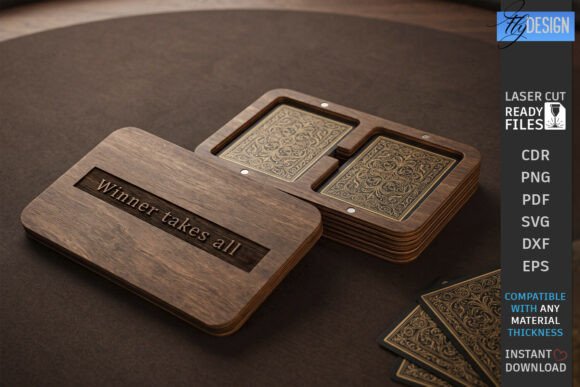
There is a distinct satisfaction in organizing your game night essentials with a custom-made container that fits perfectly on the table. A Playing Cards Holder or Poker Card Holder does more than just store decks; it elevates the entire gaming experience by adding a touch of craftsmanship and personal style to the setup. Whether you are a casual player, a professional dealer, or a maker looking for a new project, having a dedicated box for poker cards ensures your equipment remains protected, organized, and ready for action.
This digital design offers a versatile solution for those who own laser cutting machines like GlowForge or other CO2 lasers. It is important to clarify immediately: this product is a digital file only. No physical product will be shipped. Instead, you receive the complete set of work files necessary to cut, assemble, and finish the box yourself. This approach empowers creators to produce high-quality items tailored exactly to their needs, using materials they already have on hand.
The Craftsmanship Behind the Design
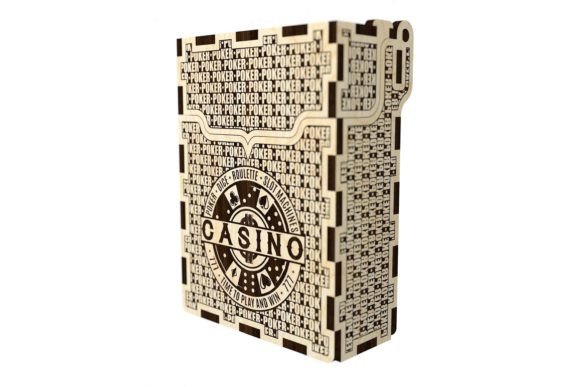
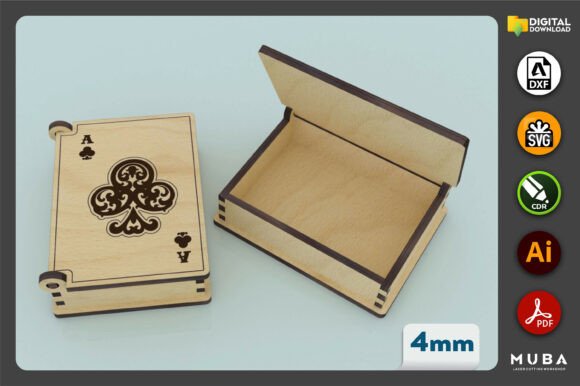
The core strength of this Poker Card Holder lies in its precision engineering. The design has been meticulously crafted to fit 4mm thickness plywood, which is a standard material for many hobbyist and small-scale commercial laser projects. The dimensions are optimized at 8 x 10 x 3.5 cm, providing a snug fit for standard playing card decks without being overly bulky. This compact size makes it ideal for tabletop use, ensuring it doesn't dominate the space but remains easily accessible during gameplay.
One of the most notable qualities of this digital file is its compatibility with various software platforms. You will receive the design in multiple formats including DXF, SVG, CDR, AI, and PDF. This flexibility ensures that regardless of the software you prefer—whether it's CorelDRAW, Adobe Illustrator, LightBurn, or GlowForge's native interface—you can import the file seamlessly. The vector-based nature of these files guarantees crisp edges and accurate cuts, which are essential for a clean assembly process.
When working with laser cut files, attention to detail is paramount. The design accounts for kerf (the width of material removed by the laser), ensuring that tabs and slots fit together tightly. However, if you decide to resize the design for a different purpose, you must pay close attention to the thinness of the elements. Scaling up too much might weaken structural integrity, while scaling down could make the interlocking parts too fragile to hold together. Sticking to the recommended dimensions or making minor adjustments while monitoring wall thickness is the best practice for maintaining durability.
Material Choices and Finishing Techniques
While the design is optimized for 4mm plywood, the versatility of laser cutting allows for experimentation with other materials. Plywood offers a classic, rustic look with visible grain lines that add character to the finished Box for poker cards. MDF is another excellent choice if you prefer a smooth surface that takes paint beautifully. For a modern, sleek aesthetic, acrylic or plexiglass can be used to create a transparent holder that showcases the colorful backs of the cards inside.
The finishing process plays a significant role in the final appearance and longevity of the holder. If you plan to paint the parts, it is highly recommended to do so before gluing and assembling the box. Painting individual flat pieces is far easier and results in a more even coat compared to trying to paint the assembled corners and crevices. Once painted and dried, you can proceed with assembly.
Gluing the parts before the final assembly step can provide extra stability, especially when working with thinner materials or intricate joinery. Using a strong wood glue or contact cement ensures that the box remains sturdy even after repeated handling. For those using acrylic, specialized plastic cement creates a seamless bond that fuses the pieces together. These finishing touches transform simple cut shapes into a robust, professional-grade accessory.
Practical Applications Across Environments
The utility of a well-designed Playing Cards Holder extends far beyond the home game room. In personal environments, it serves as an elegant way to keep travel decks organized in luggage or drawers, preventing bent corners and lost jokers. For enthusiasts who collect rare or vintage decks, a custom box offers protection from dust, light, and humidity, preserving the condition of valuable cards.
In professional settings, such as casinos, event planning companies, or magic shops, branding becomes crucial. This digital file allows business owners to customize the exterior with logos, names, or specific designs that align with their brand identity. A branded Poker Card Holder acts as a subtle marketing tool, reinforcing professionalism and attention to detail every time a client sees it. Magicians, in particular, appreciate the ability to modify the interior or exterior to suit specific tricks or presentation styles.
Educational institutions and makerspaces also benefit from this type of project. It serves as an excellent teaching tool for students learning about laser cutting, CAD design, and material science. By following the provided files, educators can guide learners through the entire manufacturing process, from digital design to physical assembly. This hands-on experience fosters creativity and technical skills that are highly valued in today's job market.
Maximizing Value and Usability
Choosing to create your own Game Box rather than buying a mass-produced alternative offers several advantages. First, you have complete control over the quality of materials used. You can select sustainably sourced wood or high-grade acrylic, knowing exactly what goes into your product. Second, the cost-effectiveness is significant. Once you have access to a laser cutter, the material cost for a single box is minimal, allowing for potential profit margins if you choose to sell them.
Efficiency in storage and retrieval is another key benefit. A dedicated holder prevents cards from getting mixed up with other items, reducing the time spent searching for a deck during a game. The structured design keeps the cards aligned, making shuffling and dealing smoother. This improvement in user experience can make a noticeable difference in the flow of a poker tournament or a friendly bridge match.
Furthermore, the ability to share or resell the digital file (depending on the license terms) opens up opportunities for entrepreneurs. Small businesses can offer "print-at-home" services where customers purchase the file and cut the box locally, reducing shipping costs and environmental impact. This model appeals to the growing community of DIY enthusiasts who value ownership and customization over convenience.
Recommendations for Success
To get the most out of this Laser Cut Box design, start by testing the settings on a scrap piece of your chosen material. Laser power and speed vary significantly between machines, and finding the right balance ensures clean cuts without burning the edges. Always wear appropriate safety gear, including eye protection and respiratory masks, when operating laser equipment.
If you are new to laser cutting, take advantage of the included PDF instructions and the simplicity of the vector files. Begin with plywood to familiarize yourself with the assembly process before moving to more challenging materials like acrylic. Remember that patience is key; rushing the gluing or painting stages can compromise the final result. By taking the time to craft each piece carefully, you will end up with a durable and beautiful Poker Card Holder that stands out from generic alternatives.
Ultimately, this digital file represents more than just a set of lines on a screen. It is a blueprint for creating something tangible, useful, and aesthetically pleasing. Whether for personal enjoyment, educational purposes, or commercial ventures, the possibilities are vast. With the right tools and a bit of creativity, you can turn this Laser Cut File into a functional masterpiece that enhances any card-playing environment.