Panda Kid Puzzle Baby Game Child Play
In the realm of early childhood development, few tools offer as much versatility and educational potential as a well-designed tactile toy. The Panda Kid Puzzle Baby Game Child Play stands out not merely as a digital template for crafting, but as a strategic resource for parents, educators, and small business owners looking to create meaningful learning experiences. This specific design transcends the typical wooden puzzle by integrating multiple developmental stages into a single, cohesive object. Whether you are a parent seeking to enhance your child's motor skills or an entrepreneur aiming to launch a line of custom educational toys, understanding the mechanics and application of this project is essential for maximizing its value.
Building Cognitive and Motor Skills Through Tactile Engagement
The primary value of the Panda Kid Puzzle lies in its ability to stimulate physical and mental growth simultaneously. For infants and toddlers, play is the fundamental method of learning. When a child interacts with this puzzle, they are engaging their fine motor skills by grasping, lifting, and fitting pieces together. This physical manipulation is crucial for developing hand-eye coordination and dexterity, which are foundational for later tasks like writing and buttoning clothes.
Beyond movement, the design encourages cognitive processing. The puzzle format requires the child to recognize shapes, understand spatial relationships, and solve problems. Unlike passive screen time, the Panda Kid Puzzle Baby Game Child Play demands active participation. The tactile sense is heightened when the material is chosen correctly; the texture of wood or acrylic provides sensory feedback that plastic often lacks. This sensory input helps children build a more robust neural connection between touch and recognition, making the learning process deeper and more memorable.
Integrating Alphabet Learning with Custom Engraving
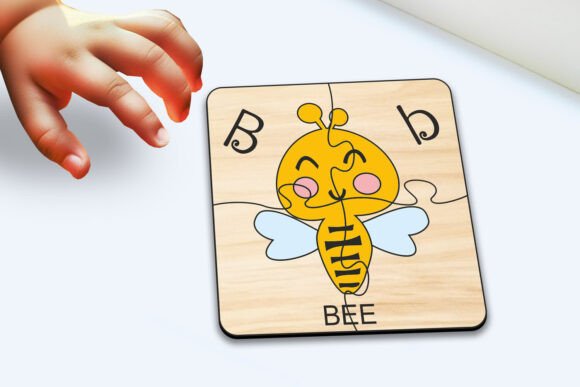
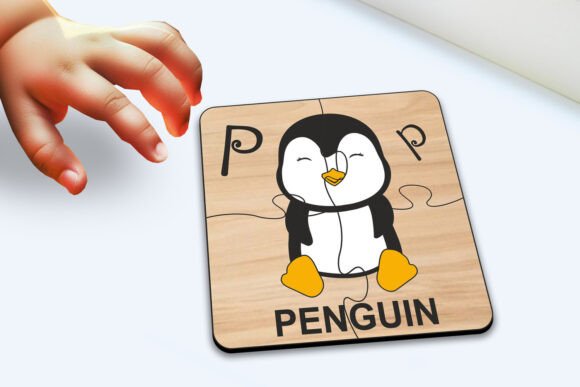
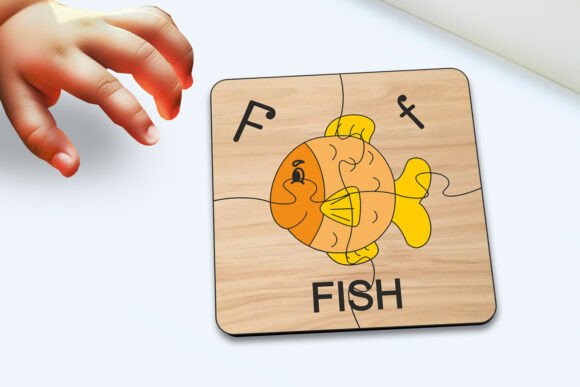
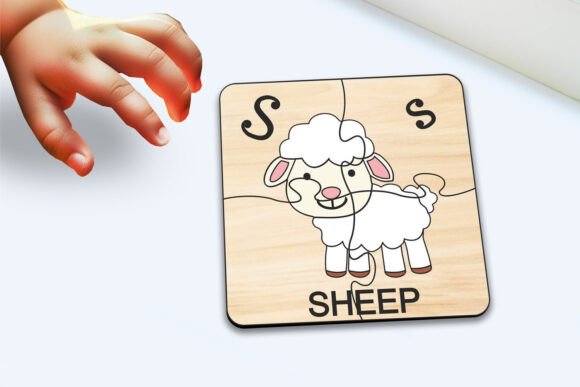
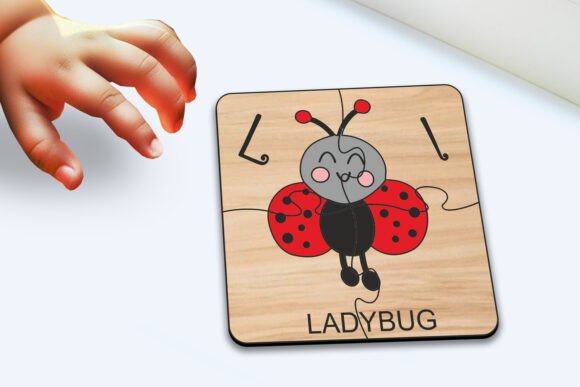
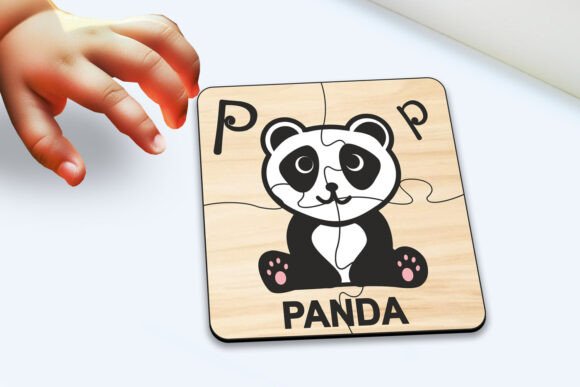
A distinctive feature of this design is the inclusion of a specific letter engraving area. This transforms a simple shape-matching game into a literacy tool. By engraving letters onto the panda pieces, parents and educators can introduce the alphabet in a context that feels like play rather than study. This approach aligns with modern pedagogical theories that suggest children learn best when new information is embedded in familiar, enjoyable activities.
However, it is critical to note that the digital file does not come pre-loaded with letters, names, or text. The responsibility for customization rests entirely on the user. If you wish to use this item to teach the alphabet, you must utilize vector software to insert the desired characters before cutting. This requirement offers a significant advantage: complete control over the educational content. You can tailor the letters to match the child's current learning stage, focus on specific sounds, or even incorporate the child's name to increase engagement and personal connection to the toy.
Material Selection and Durability Considerations
The longevity and safety of the final product depend heavily on the materials chosen for production. The Panda Kid Puzzle Baby Game Child Play is compatible with a variety of substrates, including plywood, MDF (Medium Density Fiberboard), HDF (High Density Fiberboard), solid wood, and acrylic. Each material offers distinct benefits and considerations for different use cases.
- Plywood and Solid Wood: These are excellent choices for durability and a natural aesthetic. They are sturdy enough to withstand rough handling by young children and provide a warm, organic feel. However, they may require sanding after cutting to ensure smooth edges.
- MDF and HDF: These engineered woods are cost-effective and cut very cleanly, reducing the need for extensive post-processing. They are ideal for projects where painting is the primary finish, as they accept paint uniformly without grain interference.
- Acrylic: For a modern look or for applications requiring transparency and high gloss, acrylic is a superior option. It is also waterproof and easy to clean, making it suitable for environments where hygiene is a priority.
When selecting a material, consider the end-user environment. If the toy will be used outdoors or in a sandbox, treated wood or acrylic might be preferable to prevent warping or rotting. Conversely, for indoor home use, unfinished plywood offers a classic, eco-friendly appeal that many parents appreciate.
Mastering the Digital File and Cutting Settings
Successfully producing this puzzle requires a working knowledge of laser cutting software and machine settings. The included digital file utilizes a color-coded system to guide the cutting and engraving process. Understanding these codes is vital to avoid wasting material and ensuring the puzzle functions correctly.
- Blue Color: This indicates areas designated for engraving. This is where you would place your custom letters or decorative details. Ensure your power and speed settings are calibrated to etch deeply enough to be visible but not so deep that they compromise the structural integrity of the piece.
- Yellow Color: Used for scoring. Scoring creates a shallow cut that allows parts to fold or separate easily if the design incorporates tabs or hinges, though in this specific puzzle, it primarily aids in defining edges for cleaner cuts.
- Green Color: Represents the first cut. This usually defines the outer perimeter or major separation lines. Precision here ensures the overall shape of the panda is accurate.
- Black Color: Indicates the second cutting pass. This is often used for intricate internal details or to ensure a clean separation of puzzle pieces that might be tight-fitting.
- Red Color: This is strictly for informational purposes and should not be cut or engraved. It serves as a visual guide within the software interface.
It is the operator's responsibility to configure the machine settings to suit the specific thickness and type of material being used. A setting that works perfectly for 3mm acrylic may burn through 6mm plywood or fail to cut through MDF entirely. Always perform test cuts on scrap material before running the full job. Familiarity with vector programs like Adobe Illustrator, CorelDRAW, or Inkscape is necessary to edit the file, add custom text, and manage these color layers effectively.
Creative Potential: Painting and Branding Opportunities
One of the most compelling aspects of the Panda Kid Puzzle Baby Game Child Play is its adaptability as a canvas. Because the base design is neutral, it invites creativity. Parents can turn the puzzle into a "paint toy," allowing children to color the pieces themselves under supervision. This adds a layer of artistic expression and ownership, encouraging the child to interact with the toy even before assembling it.
For entrepreneurs and small business owners, this blank slate presents a branding opportunity. You can customize the design with logos, unique patterns, or thematic elements that align with your brand identity. Whether you are creating a line of Montessori-inspired toys or personalized gifts for nurseries, the ability to modify the vector file means you can create a unique product without needing expensive molds or manufacturing setups. This flexibility supports agile business models where small batches can be produced quickly to meet specific market demands or seasonal trends.
Practical Limitations and User Responsibilities
While the Panda Kid Puzzle Baby Game Child Play offers significant benefits, it is not a turnkey solution. Users must possess the technical skills to operate vector software and cutting machinery. Those unfamiliar with these tools may find the initial setup challenging. Additionally, because the file does not include pre-set text, there is a risk of errors if the user is not careful with font selection, kerning, and placement during the customization phase.
Safety is another critical consideration. Since the final product involves small parts and potentially sharp edges depending on the material and finishing process, adult supervision is always recommended. Sanding edges thoroughly and ensuring no toxic finishes are used is mandatory for baby-safe toys. Furthermore, users should compare this option against other ready-made puzzles if they lack the equipment or time for DIY production. The value of this project lies in the customization and the satisfaction of creation, which may not outweigh the convenience of a store-bought alternative for every consumer.
Ultimately, this digital design serves as a powerful bridge between technology and hands-on education. By leveraging the correct materials, mastering the cutting parameters, and applying thoughtful customization, the Panda Kid Puzzle Baby Game Child Play becomes more than just a toy. It evolves into a dynamic tool for development, a creative outlet for artists, and a viable product for forward-thinking creators in the education and toy industries.