Christmas Snowflake Domino Laser Game: A Guide to Perfect Holiday Crafting
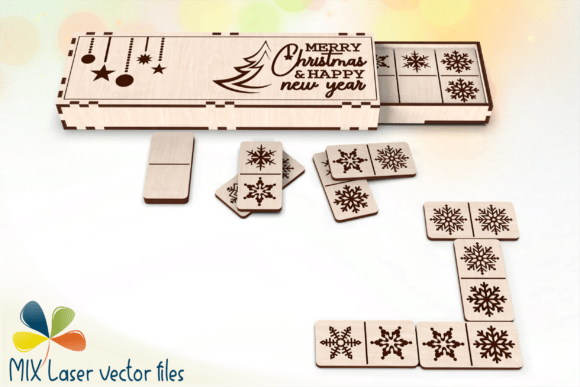
Gather your loved ones for cozy holiday evenings with a game that blends nostalgia and winter magic. The Christmas Snowflake Domino Laser Game is more than just a digital file; it is an invitation to create a tangible tradition. Unlike mass-produced plastic sets found in discount bins, this design allows you to craft a unique, high-quality game board featuring elegant engraved snowflakes. When cut correctly, every match becomes a wintery delight, suitable for both kids and adults alike. However, transforming a vector file into a polished, playable game requires attention to detail. Many creators rush the process, resulting in pieces that are too fragile, difficult to align, or visually underwhelming.
Understanding the Value of Custom Laser Cut Games
Why choose to make your own domino set when store-bought options exist? The primary advantage lies in customization and material quality. With the Christmas Snowflake Domino Laser Game, you control the aesthetic. You can select wood veneers, acrylics, or cardstock that match your specific holiday decor. The intricate snowflake engravings add a layer of sophistication that standard printed designs cannot replicate. This project is ideal for small business owners looking to expand their holiday catalog, educators seeking engaging tactile tools, or hobbyists wanting to gift something truly personal.
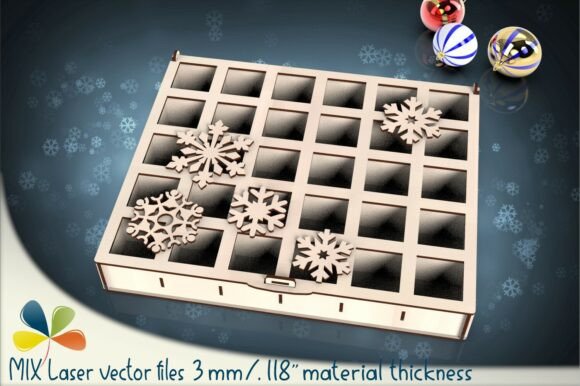
The technical foundation of this project relies on precise specifications. The recommended box size is 230×76×26 mm, which translates to a compact footprint perfect for storage and travel. The file formats provided—SVG, DXF, AI, PDF, and CDR—ensure compatibility with most major laser cutting software. Yet, simply downloading these files does not guarantee success. The difference between a frustrating experience and a seamless crafting session often comes down to how you interpret and apply these technical details.
Common Mistakes That Ruin the Final Product
One of the most frequent errors involves ignoring the recommended material thickness. The design specifies a thickness of 3 mm. While it might be tempting to use thinner materials like 2 mm cardstock to save costs, or thicker hardwoods like 5 mm oak to increase durability, deviating from this recommendation often leads to functional issues. If the material is too thin, the dominoes may warp during the engraving process or become too light to stand upright properly. Conversely, if the material is too thick, the interlocking mechanisms (if any) may fail, or the laser cutter might struggle to penetrate the depth required for a clean cut without burning the edges.
Another overlooked detail is the choice of material type relative to the laser power settings. Beginners often assume that all woods or plastics behave the same way under a laser beam. For example, using treated pine or plywood with unknown glues can result in toxic fumes and uneven burning, ruining the delicate snowflake patterns. Similarly, using clear acrylic without proper ventilation or speed adjustments can lead to melting rather than clean cutting. These mistakes affect not only the visual presentation but also the safety and longevity of the game.
The Impact of Poor Preparation on Usability
When the physical dimensions are off, the gameplay suffers immediately. Dominoes must have consistent weight and balance to fall reliably. If you cut the pieces from inconsistent stock, some tiles will be heavier than others, causing unpredictable chain reactions. This frustration can turn a fun family activity into a source of annoyance. Furthermore, if the engraving depth is too shallow, the snowflake details will lack contrast, making the game look cheap rather than elegant. If it is too deep, the structural integrity of the tile weakens, leading to breakage during play.
For entrepreneurs selling these games, poor execution directly impacts brand reputation. A customer receiving a set where the tiles do not fit the box or the engravings are scorched will likely leave negative reviews. In the context of handmade gifts, a poorly executed project can feel impersonal rather than thoughtful. The goal is to create a "magical Christmas twist," but sloppy craftsmanship strips away that magic, leaving behind a broken toy instead of a cherished memory.
Practical Steps for a Flawless Build
To avoid these pitfalls, start by verifying your material stock before loading it into the machine. Ensure you have access to 3 mm material that is specifically rated for laser cutting. Baltic birch plywood or basswood are excellent choices for wood projects as they burn cleanly and hold fine details well. For a modern look, opaque white or frosted acrylic works beautifully with the snowflake theme. Always perform a test cut on a scrap piece of the exact material you intend to use. Adjust your power and speed settings based on this test to ensure the cut is clean and the engraving is crisp without charring.
Pay close attention to the file preparation stage. Even though the package includes multiple formats like SVG and DXF, always open the file in your preferred vector software to check for closed paths. Sometimes, files downloaded from different sources may have overlapping lines or stray nodes that confuse the laser cutter, leading to double-cutting or missed sections. Clean up the vectors, ensuring the snowflake engravings are set to "engrave" mode and the outer contours are set to "cut" mode. This distinction is critical for separating the tiles from the sheet efficiently.
Evaluating Your Setup Before You Start
Before committing to a full production run, consider the workspace and the end-user experience. Check that your laser cutter bed is level and free of debris, as even a small particle can cause a shadow mark on the bottom of your dominoes. If you are creating these for sale, measure the final product against the specified box dimensions of 230×76×26 mm. Ensure there is enough clearance for the tiles to slide in and out smoothly without getting stuck. A tight fit might protect the pieces during shipping, but it makes opening the game frustrating for the recipient.
Finally, think about the finishing touches. Laser-cut wood often has slight char marks along the edges. Lightly sanding the edges of the dominoes not only improves the tactile feel but also removes any rough spots that could catch on clothing or skin. This small step elevates the perceived value of the Christmas Snowflake Domino Laser Game significantly. By taking the time to refine the finish, you transform a raw cut-out into a premium product that invites repeated use.
Creating Lasting Holiday Traditions
When executed correctly, this project offers immense satisfaction. It serves as a wonderful conversation starter during holiday gatherings, bridging generations as grandparents and grandchildren play together. The act of crafting the game itself can be part of the tradition, perhaps involving family members in the painting or assembly process. Whether you are a professional maker scaling up for the season or a parent looking for a meaningful weekend project, focusing on precision and quality ensures the result is worth the effort.
Avoid the trap of rushing through the setup. Take the time to calibrate your machine, choose the right 3 mm material, and verify your file settings. These precautions prevent wasted materials and hours of rework. With the right approach, the Christmas Snowflake Domino Laser Game becomes a centerpiece of your holiday celebrations—a testament to creativity, care, and the joy of shared moments. Let the elegant engraved snowflakes turn every match into a wintery delight, creating memories that last long after the decorations come down.